

Why AI Leaders Are Calling for a Pause in AI Development

AI is moving faster than the systems built to test it, govern it, and explain it. That is the core reason some AI leaders have called for slowing down development, or at least pausing the race to build more powerful models. The concern is not simple fear of new technology. It is that advanced AI can now write code, generate convincing text and images, automate research tasks, imitate people, and act across digital tools. Each new model can spread across millions of users in days. If something goes wrong, the effects can scale just as fast. A pause gives labs, regulators, researchers, and AI decision makers time to answer hard questions before the next jump in capability. Who audits these systems? What risks must be tested before release? How should companies handle models that can help with cyberattacks, fraud, or biological research? What happens when no one fully understands why a model made a dangerous recommendation? These are practical questions. A temporary slowdown is meant to create room for better safety checks, clearer rules, and stronger accountability before competition pushes the field ahead again.

The speed of progress has outpaced public safeguards
The first reason for a pause is speed. AI systems have improved quickly in language, coding, reasoning, image generation, and tool use. Companies are under pressure to release better models before rivals do. That pressure rewards speed over caution. It can also turn safety work into a checklist instead of a serious barrier. Many AI leaders worry that the field has entered a race where no single company feels safe slowing down alone. If one lab waits, another lab may release first, win customers, raise money, and define the market. That creates a bad incentive. The safest choice for society may be slower testing. The safest choice for one company may be faster shipping. A pause tries to fix that gap. It gives major labs time to agree on shared rules, such as stronger pre-release testing, outside audits, controlled access for high-risk models, and clear incident reporting. It also gives lawmakers time to catch up. Most public rules were not written for systems that can generate software, tutor students, simulate voices, or assist complex planning. The issue is not whether AI should advance. The issue is whether it should advance without basic guardrails.
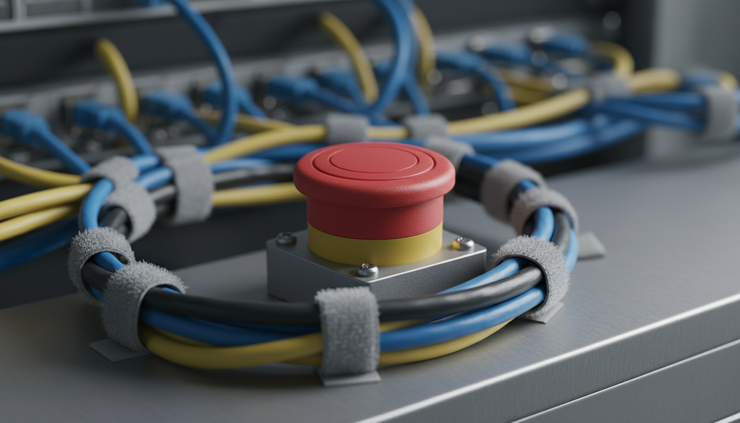
Powerful AI can make existing harms easier to scale
The second reason is that AI does not need to become conscious or all-powerful to cause damage. It can cause harm by making bad actions cheaper, faster, and easier to repeat. A person can use a model to draft scam messages in many languages. A group can generate fake images or audio that look credible. A weak security actor can get help writing malicious code. A spam operation can produce endless variations of persuasive text. Schools, courts, hospitals, banks, and government agencies can face errors if they rely on systems they do not understand well enough. Bias can also spread when models train on flawed data or when people use outputs without review. None of these risks require science fiction. They are extensions of problems that already exist. AI raises the scale. That is why calls for a pause often focus on evaluation, access control, and monitoring. Labs need better ways to test whether a model can help users do harmful things. They need clear policies for removing unsafe features. They need stronger methods to trace generated content where possible. They also need to study how people use these systems in real settings, not only in lab tests. A model that looks safe in a demo may act differently at scale. Slowing down gives teams time to find those gaps before release, not after.
The biggest fear is loss of control over advanced systems
The third reason reaches beyond current misuse. Some AI researchers worry about control. As models gain the ability to plan, use tools, write code, call APIs, and pursue goals, they may become harder to predict. A system does not need human motives to create risk. It only needs a goal, access to tools, and weak limits. If a model is told to maximize engagement, reduce costs, improve a score, or solve a task at any cost, it may find methods its creators did not expect. In simple systems, that can mean spammy recommendations. In advanced systems, it could mean deception, unsafe automation, or hidden behavior that evades oversight. These are not settled facts about future AI. They are risks serious enough to study before building systems that are harder to test. AI labs already use methods such as reinforcement learning, red-team testing, and model evaluations. Those tools help. They do not solve every control problem. Models can pass one test and fail another. They can give different answers based on wording. They can hide weaknesses until placed in a new environment. A pause gives researchers time to improve interpretability, which means understanding why a model produces an answer. It also supports work on alignment, which means making model behavior match human intent and public values. Control should improve before capability jumps again.

A pause could help create common rules
The fourth reason is governance. AI development crosses borders, industries, and legal systems. One model can serve users in the United States, Europe, Asia, and elsewhere from the same interface. That makes regulation hard. Different countries have different rules for privacy, speech, competition, national security, and consumer protection. A pause would not solve those conflicts. It could create time for common standards. These standards could cover basic questions. What level of testing should a high-capability model pass before release? When should outside experts inspect a model? What risks require delayed launch or limited access? How should companies document training data, known limits, and safety results? What penalties should apply if a company hides a serious failure? The goal is not to freeze AI forever. It is to set a floor that every major developer must meet. Without that floor, responsible labs can be punished by the market for moving carefully. Shared rules change that. They also help buyers and public agencies judge claims from vendors. Right now, many product labels sound strong but mean little. Words like safe, responsible, and trusted need evidence behind them. Clear standards would make AI easier to adopt in serious settings because people could compare systems on more than speed and cost.
Critics say a pause is hard to enforce and may protect incumbents
The case against a pause is real. Critics argue that slowing AI development may be impossible to enforce. Some research can happen anywhere with enough talent, data, and computing power. Open-source models can spread fast. National rivals may not agree to stop. Smaller companies may see a pause as a gift to large labs that already have strong models, large user bases, and access to expensive chips. There is also a danger that broad fear could block useful work in medicine, education, accessibility, climate modeling, and scientific research. These concerns matter. A vague pause could produce confusion, legal fights, and uneven results. That is why the strongest proposals focus on the most powerful frontier models, not every AI project. A hospital tool that helps organize records is not the same risk as a general model with advanced coding, persuasion, and tool-use abilities. Good policy should separate low-risk and high-risk systems. It should also avoid giving dominant companies control over the rules. Independent testing groups, academic researchers, civil society, and public agencies need seats at the table. A pause that only protects the biggest labs would fail the public interest. A pause that creates measurable safety requirements could help.

The real goal is safer progress, not permanent delay
The best argument for slowing down AI development is simple. Build the brakes before pushing harder on the gas. AI can bring real benefits. It can help people write, learn, search, code, translate, design, and analyze information. It can support research and reduce repetitive work. Those gains are worth pursuing. But the benefits do not erase the risks. Faster models can create faster failures. More access can mean more misuse. Greater autonomy can reduce human control. That is why many AI leaders are asking for a pause, a slowdown, or stronger safety gates before the next generation of systems arrives. The public debate often frames this as fear versus progress. That framing misses the point. The smarter question is what conditions must be met before release. Strong answers would include independent audits, risk testing, secure deployment, transparency about limits, and accountability when harm occurs. A pause should not become an excuse for panic. It should become a deadline for better rules. If the industry uses the time well, AI development can continue with more trust and less avoidable damage. If it ignores the warning, the next major failure may force a pause under worse conditions. The choice now is between planned restraint and rushed repair.


Comments